

You walk into a room, and nothing feels random. A number on the wall. A locked box. A strange pattern on the floor. It all means something—you just don’t know what yet. That’s the pull of escape room clues. They’re not just puzzles; they’re pieces of a story waiting to click.
Some test your logic. Others push you to notice what most people miss. In a city like Houston, where plans need to hit right, this kind of challenge keeps things interesting. The more you learn how clues work, the sharper you get—and the more fun the game becomes.
What Makes Escape Rooms So Exciting
There’s a reason escape rooms hit different when you’re planning a night out in Houston. It’s not just about solving puzzles—it’s the rush of piecing things together under pressure. One clue leads to another, and suddenly the whole room feels alive. You notice details you’d usually ignore. A number scratched on a desk. A pattern hidden in plain sight. It keeps your mind moving and your group locked in.
That mix of tension and teamwork is what makes it stick. You’re not just playing a game—you’re part of the story. Every solved clue feels earned, and every close call adds to the memory. That’s what turns a simple plan into something people talk about long after it’s over.
Explore the Different Types of Clues in Escape Rooms
Not all clues play the same role, and that’s what keeps things interesting. Some are straightforward, like number codes that crack open a lock. Others make you pause—riddles, symbols, or patterns that only click after a second look. You might find physical clues hidden in props or digital ones that light up when you get something right.
In Houston, where you want plans that actually feel worth it, this mix matters. It keeps the pace shifting and the energy up. One minute you’re spotting details, the next you’re connecting ideas across the room. Every type of clue adds a layer, pulling you deeper into the story and making each win feel earned.
Explore the different types of escape rooms offered by Exit Lab Houston.
Uncover Hidden Objects and Symbol Puzzles
Some of the best moments come from spotting what others miss. A key tucked behind a frame. A symbol etched into a prop that doesn’t look important at first. Hidden objects reward sharp eyes, while symbol puzzles test how you connect meaning to what you see.
In a fast-paced Houston night out, this is where the room slows you down in the best way. You start scanning corners, comparing notes, second-guessing details. Then it clicks. A shape matches. A sequence makes sense. That shift—from confusion to clarity—is what makes these clues hit. They pull you deeper into the story and make every small discovery feel like a big win.
Understand How Logic Riddles Work
Logic riddles slow the room down and make you think in a different way. These aren’t about what you see first—they’re about how you connect ideas. A sequence, a wordplay clue, or a set of rules can point you to the answer, but only if you read it right.
During a night out in Houston, this is where teams either click or stall. Someone spots a pattern. Another puts it together. Then it all lines up. That shared “we got it” moment is what makes logic riddles stand out. They challenge your thinking, push communication, and turn small breakthroughs into big momentum for the rest of the game.
Working with Math Puzzles
Math puzzles show up when the room wants you to slow down and get precise. It’s not just numbers on a wall. It could be adding values from different clues, spotting a pattern, or lining up a sequence to crack a code. The answer is there—you just have to piece it together.
On a Houston night out, this is where teams get competitive in a fun way. Someone grabs a pen. Another double-checks the logic. Then the lock clicks. That moment feels earned because it takes focus and teamwork. Math puzzles break the flow in a good way, adding variety and giving your group a different kind of win to chase.
Physical Puzzles Explained
Physical puzzles bring a hands-on edge that keeps the room moving. You’re not just thinking—you’re turning, sliding, aligning, and testing what works. It might be fitting pieces together, moving objects in the right order, or triggering something hidden in the setup.
In Houston, where group plans need energy, this is where things get lively. People gather around, call out ideas, and try different moves until something clicks. It feels active and fast, breaking up the quieter thinking moments. When the mechanism finally works, it’s an instant payoff. Physical puzzles add motion, keep everyone involved, and make the experience feel real from start to finish.
Give the gift of adventure to your escape room buddies!
How Audio/Visual Elements Work
Audio and visual clues change how you read the room. A flickering light, a sound cue, or a screen that reacts can point you in the right direction. These elements don’t just tell you what to do—they make you pay attention in a different way.
On a Houston night out, this is where the room feels more alive. You hear something shift, and everyone pauses. You notice a projection change, and it sparks a new idea. It keeps the pace fresh and pulls your team back in when focus drops. Audio and visual clues add atmosphere, guide your thinking, and make each moment feel connected to the story.
Understand Word Puzzles and Ciphers
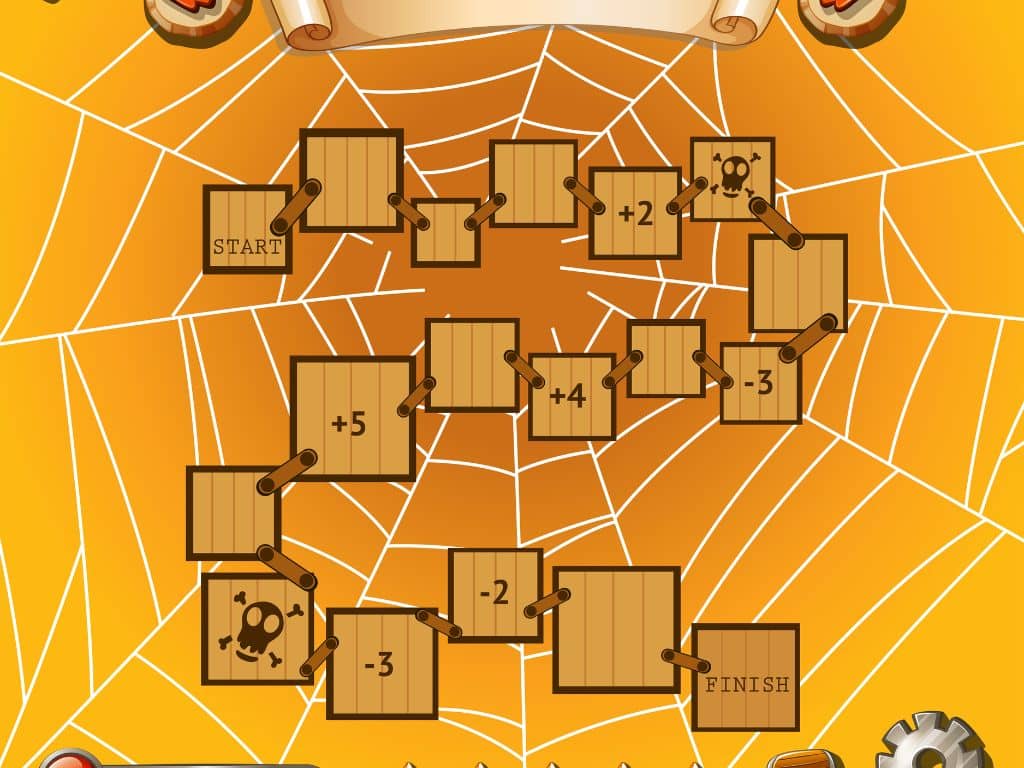
Word puzzles and ciphers hit when the room wants you to read between the lines. A simple phrase might hide a pattern. Letters can shift, swap, or stand in for numbers. At first, it feels confusing. Then someone spots the rule, and everything starts to line up.
In Houston, where group nights should feel sharp and engaging, this is where conversations pick up. People throw out ideas, test theories, and build on each other’s thoughts. It’s less about speed and more about insight. When the message finally makes sense, it feels satisfying in a different way. These clues add depth, push creative thinking, and keep your team locked into the story.
The Use of Combination Locks and UV Light Messages
Combination locks and UV clues bring that classic escape room feel, but they still catch people off guard. A lock might need numbers, letters, or a sequence you’ve been building all along. UV light reveals what you couldn’t see before—messages hidden on walls, props, even in plain sight.
On a Houston night out, this is where things start to click fast. Someone calls out a code. Another checks it. Then the lock pops open, and the room shifts forward. UV clues add that extra layer of surprise, making you question everything you’ve already seen. Together, they keep the pace tight, reward attention to detail, and make every breakthrough feel earned.
The Importance of Observation Skills in Escape Rooms
Observation is what separates a good team from a great one. The clues are there, but they don’t always stand out. A small detail on a wall. A pattern that repeats. Something slightly out of place. You have to slow down and really look.
In Houston, where you want plans that feel sharp and engaging, this skill makes the experience better. Teams that pay attention move faster and avoid getting stuck. One person spots it, another connects it, and suddenly the room opens up. Strong observation keeps the game flowing and turns small details into big wins.
FAQs
1. What are the common types of clues found in escape rooms?
Clues can be hidden in plain sight or tucked away in props, locks, and puzzles. You might decode symbols, match patterns, solve riddles, or connect small details across the room. Every clue builds on the last, guiding you step by step toward the final solution.
2. How do game masters assist in escape room experiences?
Game masters watch your progress and keep the experience running smoothly. If your team gets stuck, they offer hints that nudge you in the right direction without giving too much away. They also set the tone, explain the story, and step in if needed.
3. What role do themed rooms play in escape room experiences?
The theme sets the mood and pulls you into a different world. Whether it’s a heist, a mystery, or a prison break, the setting shapes every puzzle and clue. It makes the experience feel real and keeps players engaged from start to finish.
4. How do escape rooms foster teamwork and group synergy?
Everyone brings a different way of thinking, and that’s what makes teams work. Players share ideas, split tasks, and piece together clues as a group. Clear communication and trust often make the difference between escaping and running out of time.
5. What makes escape rooms a popular choice for birthday and team-building events?
Escape rooms mix fun with a shared goal, which makes them perfect for groups. They create moments of excitement, laughter, and a bit of pressure that people remember. Whether it’s friends or coworkers, solving something together builds a strong sense of connection.
By the time you’ve worked through a room, you start to see clues differently. What once looked random now feels intentional. Numbers line up. Patterns make sense. Small details carry weight. That shift is what keeps people coming back.
In Houston, where nights are better with something to do, escape rooms offer more than a quick thrill. They challenge how you think and how you work with others. The more you play, the faster you connect the dots. And once you get a taste of that “aha” moment, it’s hard not to chase it again.

Discover the thrill of escape rooms in Houston! Explore our extensive guide for the average costs, the fun factor, and Read more

Unleash the secrets to victory with our guide on essential escape room strategies for beginners! Dive into the art of Read more

Zombie-themed escape rooms are a hit across the country. Their mix of thrills and brain-teasing puzzles has fans hooked. People Read more

Want to throw a fun and exciting DIY party at home? Here’s how to host an escape room party that Read more